accessories
Spindle Sander Sleeves: Buy the Right Replacements
Replacement spindle sander sleeves are easy to buy badly because listings often lead with grit and quantity. Start with the exact machine model, then match abrasive diameter × height and the manufacturer's fit statement. Next verify the rubber drum or direct-spindle support, retaining washer or nut, and throat insert required for that size. Use the sleeve-size Finder to expose documented values and unresolved fields before comparing the model-specific offers below.
As an Amazon Associate I earn from qualifying purchases. How affiliate links work.
These retained offers are different sleeve systems: WEN 6510-series, AT6535, HA5932 portable and 6524 belt/spindle refills. Use the exact model, abrasive diameter × height and manufacturer fit statement; do not treat one offer as a universal alternative for another.
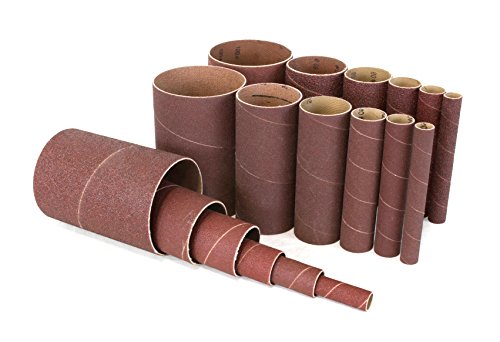 WEN 6510SPC Assorted Grits Spindle Sanding Sleeves (18 Pack)Check Amazon offer
 WEN 6535SP80 80-Grit Oscillating Spindle Sandpaper Sanding Sleeves with 5-5/8-Inch Height, 10 PackCheck Amazon offer
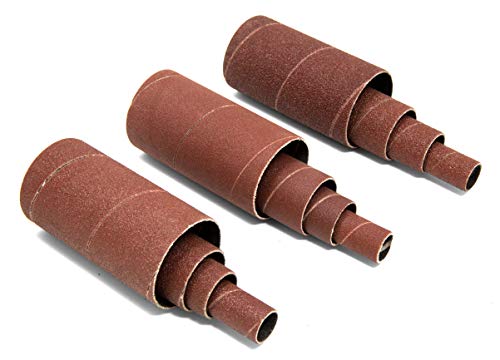 WEN 5932SPC Replacement Spindle Sanding Sleeves, Assorted Sandpaper Grits, 12 PackCheck Amazon offer
 WEN 6524SP120 120-Grit Combination Belt and Sleeve Sandpaper Set, 24-PackCheck Amazon offer
Write a seven-field replacement record before shopping
Copy seven fields before comparing listings: exact model and suffix; serial or revision when relevant; abrasive diameter; abrasive height; grit; required support method; and the replacement part or supplier fit statement. Under support method, record the rubber drum or direct-spindle arrangement, specified washer or nut, and corresponding throat insert. Preserve the manufacturer's original units. A shaft diameter, rubber-drum length or maximum workpiece height is not automatically the missing abrasive dimension.
- Exact model, suffix and relevant serial or revision
- Abrasive diameter × abrasive height in the source's original units
- Grit and pack count for the exact size you will use
- Rubber drum, direct spindle or other documented support method
- Specified washer, nut, knob or other retaining hardware
- Corresponding throat insert or plate for that assembly
- Manufacturer part number or supplier statement naming the exact model
What a sleeve purchase includes
A sanding sleeve is the replaceable abrasive cylinder. It is not the rubber drum, the machine spindle, a complete sanding attachment, or a throat plate. Product photographs sometimes show a sleeve already supported by a drum, so read the included-items list before assuming that support hardware is supplied. A first replacement order should usually replenish abrasives already proven to fit the machine, rather than introduce another drum system. If the original drums are missing, investigate those as model-specific parts before ordering refills. Otherwise a box of correct-looking sleeves can arrive with nothing suitable to hold them. Record whether the listing sells individual cylinders, one of each diameter, or repeated sets.
Establish fit before comparing abrasive brands
Use the exact machine model and manual as the starting point for a shopping record. Write sleeve diameter and sleeve height as separate fields, preserving the manufacturer's units. A shaft diameter or a drum length is not automatically a sleeve dimension. The Triton TSPSP650 manual explicitly records sleeves as 13 × 76 mm, 19 × 76 mm, 26 × 76 mm, and 38 × 76 mm, expressed here as diameter × height. Those are records for that model, not a universal portable-sander standard. Triton manual. When the listing omits one required dimension, ask the supplier to confirm the exact model before buying.
Read the backing and material claims together
The abrasive grain is only one part of a sleeve. The backing, bond, seam, and intended application matter too. A listing that says aluminum oxide does not, by itself, establish suitability for every material that aluminum oxide can abrade. The machine also has its own permitted uses. Separate those two questions in your comparison: can the abrasive handle the intended material, and does the sander manufacturer permit that material on the tool? If either answer is missing, avoid using the product description as permission. Favor suppliers that identify the abrasive and the intended application clearly enough that you can reorder the same construction after evaluating a small quantity.
Compare usable sleeves rather than headline quantity
For a machine that spends most of its time on one common inside radius, a single-diameter refill can be more practical than a broad assortment. Count the sleeves that fit your machine and match your work, then divide the delivered cost by that useful count. This is a purchasing calculation, not a prediction of abrasive life. WEN's 6510SP120 is an example of a manufacturer-labelled model-family sleeve pack; the model reference is more informative than the phrase combo pack alone. WEN sleeve pack. Keep uncommon diameters in modest quantities until a project justifies them. A discounted assortment can cost more per useful sleeve when most of its diameters stay in the drawer; compare the delivered price using only the sleeves you will use.
Build a reorder record that survives packaging loss
Before discarding packaging, save the supplier SKU, grit marking, dimensions, machine model, and purchase date. Keep a photograph of the original label with your machine paperwork. When the first pack performs acceptably, note what job it completed and which diameter was actually used; avoid turning a single experience into a universal lifespan claim. Inspect incoming sleeves for damaged edges or seams before adding them to inventory, and keep questionable items separate while resolving the order. Mark the reorder as either an exact manufacturer replacement or a supplier-confirmed alternative. If the supplier changes the item, check compatibility again against that original approval.
If ordering for a shared workshop, put the approved refill identifier on the machine inventory card. That gives occasional users a reliable purchasing reference even when the person who researched the original fit is unavailable.
Use the model-specific WEN paths without mixing systems
Current WEN documentation separates four useful refill paths. The 6510SP120 page names the 6510 and lists six diameters from 1/2 through 3 inches. The 6535SP80 page names the AT6535, gives five diameters from 1/2 through 2 inches and states a 5-5/8-inch height. The 5932SPC page names the portable HA5932, lists four diameters from 1/2 through 1-1/2 inches and states a three-inch length. The 6524SP120 pack names the belt/spindle 6524 and includes both belt and sleeve consumables. Overlapping diameters do not make these four systems interchangeable.
The retained Amazon cards on this page correspond to those four product families. Confirm the selected variation and current included items at the destination before ordering. This site has no live price, stock or package feed, and a visible offer never overrides the exact model manual. If your machine is different, treat these cards as examples of model-specific labeling rather than replacement recommendations.
Reject unresolved fit instead of rounding toward a common pack
Classify a candidate as manufacturer-identified, supplier-confirmed or unresolved. Only the first two should reach a final order. If height is missing, documents conflict or a machine has mixed sleeve lengths, use the exact model guide and ask for the current part identifier. Grizzly G0723 is a useful caution: retained manufacturer documentation conflicts between four and 4-1/2 inches, so a serial-specific confirmation is better evidence than choosing the more common marketplace length.
Count only sleeves that clear the fit record and suit planned work, then compare delivered cost per usable sleeve with the abrasive-cost calculator. For a belt-and-sleeve pack, count each consumable format separately. This is an acquisition-cost calculation, not an abrasive-life or quality score.
Questions about Spindle Sander Sleeves: Buy the Right Replacements
Do sleeve packs include rubber drums?
Only if the included-items list explicitly says so. Most refill purchases should be treated as abrasives alone until confirmed.
Can matching diameter establish fit?
No. Abrasive height, support drum or spindle, retaining hardware, throat insert and documented model compatibility also matter.
What should I do when two documents give different sleeve lengths?
Keep the fit unresolved. Use the exact model, suffix and serial information to request the current replacement part before ordering.