guides
Spindle Sander Maintenance and Inspection
Spindle-sander maintenance should follow the schedule and procedures in the exact model manual. Routine care usually centers on keeping the machine clean, inspecting accessible parts, preserving matched accessories, and responding promptly to abnormal behavior. Do not add lubricant or adjust internal drives merely because another sander requires it. Different designs use different bearings, transmissions, and service arrangements. A useful maintenance record distinguishes normal consumable replacement from a fault that needs manufacturer guidance or qualified repair.
As an Amazon Associate I earn from qualifying purchases. How affiliate links work.
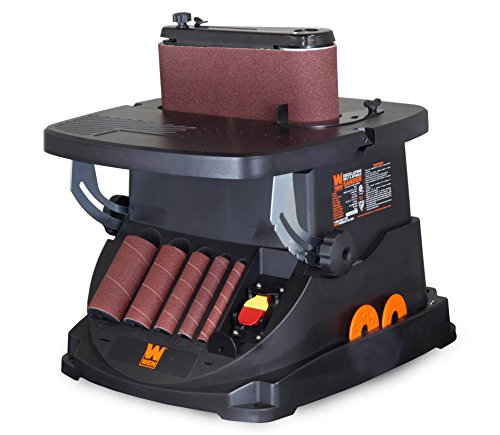 WEN 6524 Oscillating Belt and Spindle SanderCheck Amazon offer
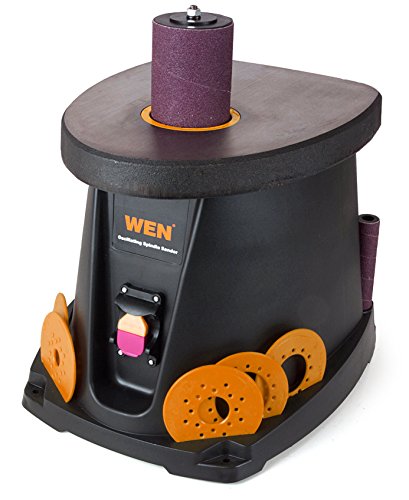 WEN 6510T 3.5 Amp Oscillating Spindle Sander,BlackCheck Amazon offer
Build an inspection around actual use
Before a session, review the condition of the sleeve, insert, support surface, mounting arrangement, accessible guards, and power cord as directed by the manual. The inspection should answer whether the machine is ready for the planned operation, not simply whether it starts. A damaged sleeve or missing accessory can make an otherwise functioning motor irrelevant. In a shared shop, establish who records defects and how the machine is kept out of service until they are resolved. A brief written note prevents the next operator from inheriting an unexplained problem.
Keep abrasive wear distinct from mechanical wear
A sleeve that cuts poorly may be loaded or worn rather than evidence of a weak motor. Inspect the stopped abrasive and compare the symptom with its recent use. Replace damaged sleeves and clean reusable ones only by a permitted method. Also inspect the rubber drums and retaining hardware for visible damage or distortion. Do not use a new sleeve to conceal an unsuitable support component. Keeping these observations separate helps avoid unnecessary internal adjustments and makes it easier to explain the problem when a genuine mechanical issue does arise.
Clean the surfaces that establish accuracy
Dust on the table, beneath an insert, or on the workpiece reference face can affect support. Remove accessible deposits using the approved cleaning method with the required power isolation. Inspect inserts for cracks and make sure their seating surfaces remain sound. Care for the table finish according to the manufacturer so any cleaning or corrosion-prevention product does not contaminate the work or create another problem. If a bevel changes during sanding, check these reference surfaces before adjusting spindle alignment; trapped dust can make the work rock.
Do not invent lubrication requirements
Some components are sealed or permanently lubricated; others may have a prescribed service procedure. The correct answer comes from the model documentation. Adding oil to an exposed shaft, bearing area, rubber drum, or belt because it seems beneficial can attract dust, affect grip, or conflict with the intended design. If the manual is unclear, ask the manufacturer before applying a product. Likewise, belt tension and internal alignment should not be adjusted by analogy with another tool. An exploded drawing identifies components but does not necessarily authorize disassembly or provide a complete maintenance procedure.
Respond to changes before they become routine
New vibration, unusual noise, repeated sleeve movement, loss of oscillation, electrical damage, or an unexpected smell calls for stopping and investigating. Record what changed and whether it followed an accessory change or other event. Do not normalize a fault because the machine still removes material. Consult the troubleshooting section and obtain qualified service where required. Retain invoices and part information after repair. If a symptom returns, that history helps establish whether it is the same issue or a different problem with a superficially similar appearance.
Store the complete machine as a system
Keep drums, inserts, washers, and approved sleeves organized so the next setup begins with identifiable parts. Protect abrasives from crushing and moisture, and keep damaged components out of the usable inventory. If the sander is moved for storage, use the manufacturer's handling guidance and preserve the mounting hardware needed for the next session. Store the manual and model identification where they are readily accessible. Keep the approved accessories, service history, and instructions together so a long storage interval does not leave the next operator guessing about parts or unresolved faults.
Questions about Spindle Sander Maintenance and Inspection
How often should I maintain a spindle sander?
Follow its manual’s schedule and inspect before use. Frequency depends on the design, operating conditions, and observed wear.
Should I lubricate the spindle regularly?
Only where and as specified by the manufacturer. Some components require no owner lubrication, and oil in the wrong place can create problems.
When should I seek service?
Stop for abnormal motion, noise, vibration, electrical damage, or unresolved sleeve retention problems, then follow the model’s troubleshooting and service guidance.